
Intrinsicly evisculate emerging cutting edge scenarios redefine future-proof e-markets demand line
Gallery Posts


Intrinsicly evisculate emerging cutting edge scenarios redefine future-proof e-markets demand line

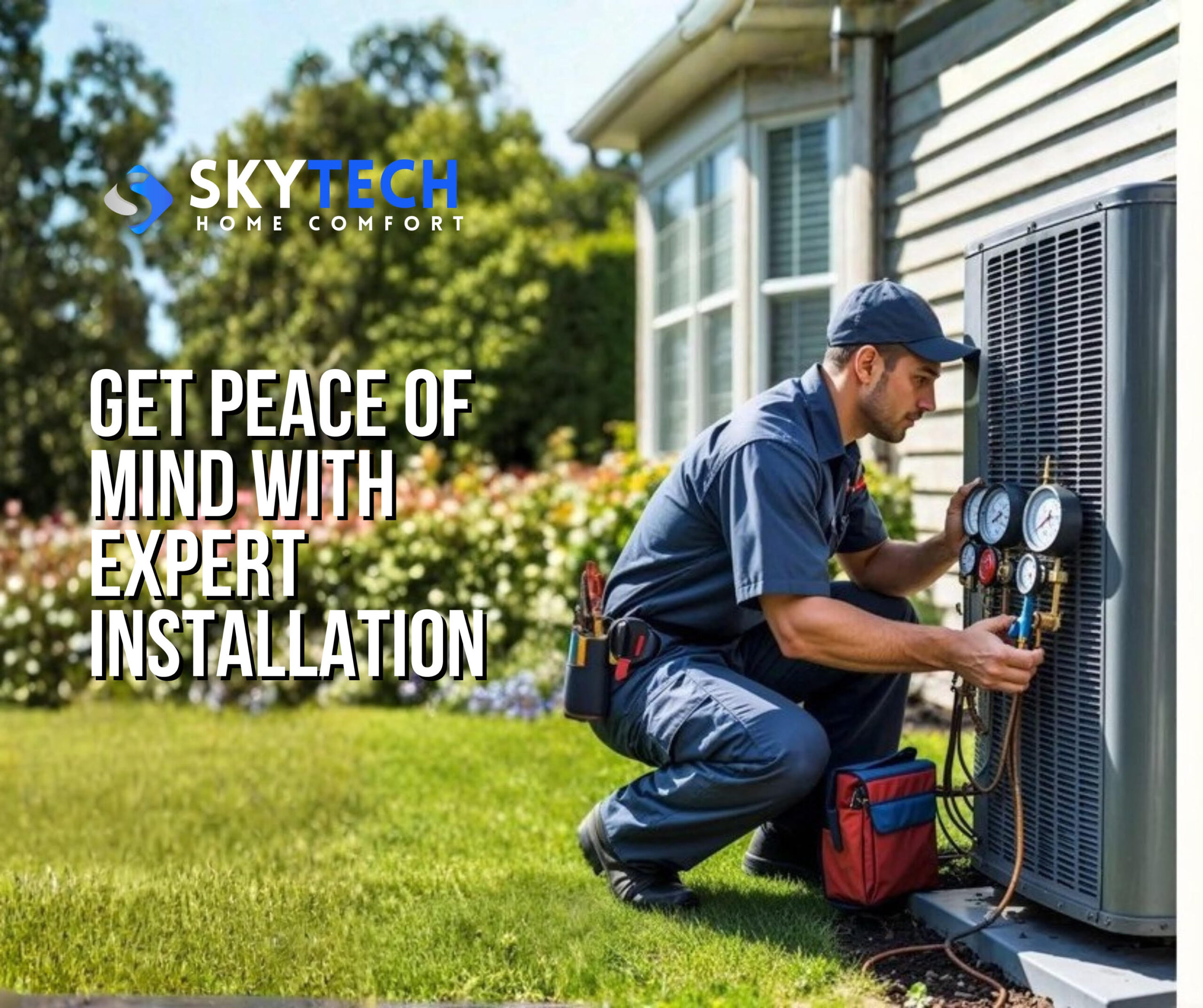
When your heat pump stopped working, tackle the issue with expert troubleshooting tips. Learn essential maintenance and repair strategies for efficiency.
When your heat pump stops working, it can leave you feeling cold and frustrated. Thankfully, there are several troubleshooting steps you can take before calling in a professional. In this guide, we’ll walk you through some common issues and solutions to get your heat pump back up and running. Understanding these steps can save you time and money and ensure your home remains comfortable.
Understanding how a heat pump works is essential to troubleshooting effectively. By grasping the basic mechanics of your system, you’ll be better equipped to identify problems and implement solutions. This knowledge can also empower you to make informed decisions when discussing issues with a professional technician.
Heat pumps are versatile HVAC systems designed to transfer heat from one location to another, effectively heating or cooling your living spaces. In the winter, a heat pump extracts heat from the outside air, even when it’s cold outside, and pumps it indoors. During the summer, the process is reversed, as it pulls heat from the indoor air and releases it outside, functioning similarly to an air conditioner.
Understanding this basic function can help you pinpoint where the problem might lie. If your system isn’t heating in winter, it may not be effectively extracting heat from the outside air. Conversely, in summer, it might not be removing heat from your home efficiently.
A well-maintained heat pump operates efficiently regardless of the external temperature, but a malfunctioning unit can lead to discomfort. With this foundational knowledge, you can begin troubleshooting your heat pump effectively.
Several issues can cause your heat pump to malfunction. Let’s explore some of these common problems and the appropriate troubleshooting actions. Identifying the root cause of the malfunction is crucial to applying the correct fix, leading to a successful resolution.
External factors, such as extreme weather conditions, can also impact your heat pump’s performance. For instance, unusually cold temperatures can challenge the unit’s ability to extract heat, while debris from storms can obstruct the outdoor unit.
Understanding external factors is essential for effective troubleshooting. If you live in an area with freezing temperatures or extreme weather, this knowledge will help you better prepare your heat pump for seasonal changes.
The first step in troubleshooting a non-functional heat pump is to check the power supply. Without power, even the most well-maintained heat pump cannot function.
Ensure that your system is receiving electricity:
Ensure that your thermostat is set correctly. It should be set to “heat” in winter and “cool” in summer. Check the temperature settings as well; they should reflect your desired comfort level.
If the settings don’t resolve the issue, consider checking if the thermostat is calibrated correctly. Sometimes, it may misread the room temperature, leading to improper operation. Consider the following:
Dirty air filters can restrict airflow, causing your heat pump to stop working efficiently or at all. Regular maintenance of air filters is crucial for the optimal operation of your heat pump.
Clogged filters not only impede performance but can also lead to increased energy consumption, higher utility bills, and even damage to your system over time. Regular filter changes improve indoor air quality and enhance your heat pump’s efficiency.
The outdoor unit is crucial for the heat pump’s operation. Issues here can lead to a complete system failure. Ensuring that the outdoor unit is free from obstructions and in good condition is essential for maintaining your heat pump’s performance.
Check around the outdoor unit for debris, such as leaves or branches, that may obstruct airflow. Clear any obstructions to ensure proper airflow. Regular inspections can help you catch problems early, before they lead to more significant issues.
In colder months, ice or snow can accumulate on the outdoor unit. If you notice ice buildup:
To prevent snow from piling up, consider installing a cover or canopy, but ensure it doesn’t block airflow.
Low refrigerant levels can significantly affect your heat pump’s performance. The refrigerant is crucial for the heat pump’s ability to transfer heat; without sufficient levels, the system cannot operate effectively.
Detecting low refrigerant levels early can prevent more serious issues, such as compressor damage. Signs include:
If you suspect low refrigerant, it’s best to contact a professional to assess and recharge your system.
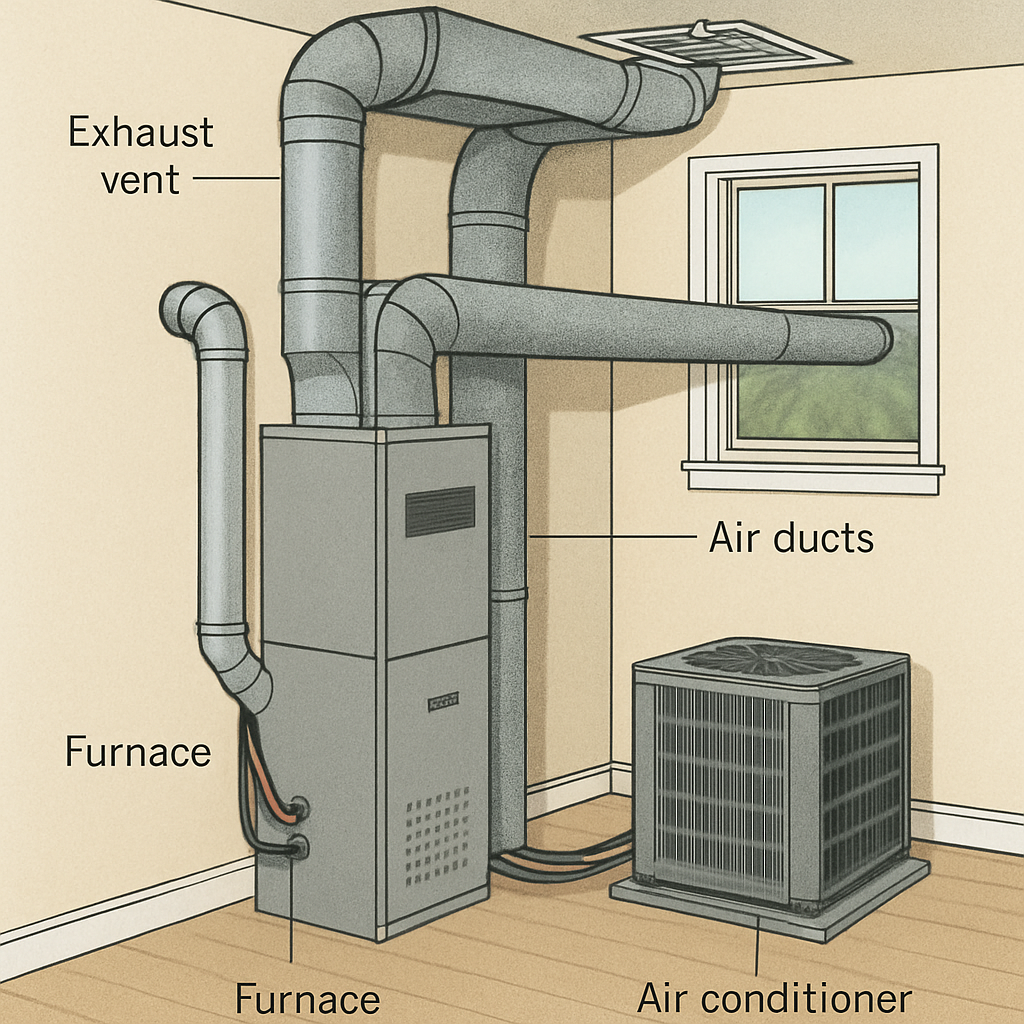
Leaky or blocked ducts can hinder your heat pump’s performance and efficiency, leading to higher energy bills and uneven room temperatures.
While many heat pump issues can be resolved through basic troubleshooting, some require expert attention. Recognizing when to call a professional is key to preventing further damage.
A non-functional heat pump can be a hassle, but with these troubleshooting steps, you can often identify and resolve the issue on your own. Understanding how your heat pump operates, conducting regular maintenance, and promptly addressing potential problems can significantly enhance your heating and cooling experience.
By staying proactive and informed, you’ll keep your home comfortable year-round. Whether through routine checks or professional servicing, investing time and effort into your heat pump will pay off in the long run with improved efficiency, comfort, and savings.
Taking the time to understand your heat pump and how it operates can empower you to handle minor issues independently. Remember to prioritize safety and don’t hesitate to seek professional help when needed. With the right approach, you can ensure your heat pump remains a reliable solution for your home’s heating and cooling needs.
Jason Phil John Doe is a certified HVAC technician with over 10 years of experience in the heating and cooling industry. He specializes in energy-efficient heating solutions and has helped countless homeowners understand the importance of proper heating systems.