
Intrinsicly evisculate emerging cutting edge scenarios redefine future-proof e-markets demand line
Gallery Posts


Intrinsicly evisculate emerging cutting edge scenarios redefine future-proof e-markets demand line

Boost your HVAC system’s lifespan with effective HVAC system maintenance tips. Discover strategies for regular checks, preventive care and repairs.
Your HVAC (Heating, Ventilation, and Air Conditioning) system is a crucial part of your home, ensuring comfort across all seasons. It keeps you warm during the chilly winter months and provides much-needed relief from the heat in the summer. Given its importance, your HVAC system represents a significant investment, and like any such investment, you want it to last as long as possible. The good news is that with some straightforward maintenance tips and preventive measures, you can significantly extend the lifespan of your HVAC system. These efforts will not only ensure it runs efficiently but also save you money on repairs and replacements in the long run.
Regular maintenance and timely interventions are key to maximizing your HVAC system’s durability. By being proactive, you can prevent small issues from escalating into major problems, ensuring your system remains reliable and efficient for years to come. Additionally, adopting energy-efficient practices and optimizing your home’s environment can further reduce strain on your HVAC system. This article will guide you through the essential steps to keep your HVAC system running smoothly and efficiently.
Extend HVAC lifespan with proactive maintenance: replace air filters every 1–3 months, inspect and clean ductwork, and optimize thermostat settings with programmable or smart controls. Schedule annual professional tune-ups, keep outdoor units and coils clear of debris, and address warning signs promptly to prevent costly failures. Rely on qualified technicians for repairs to protect performance and warranties. Reduce system strain by sealing leaks, improving insulation, and using ENERGY STAR-rated, energy-efficient appliances.
Extending your HVAC system’s life depends on proactive maintenance and reducing operational strain. Change air filters regularly, inspect and clean ductwork, and optimize thermostat settings (ideally with a programmable or smart thermostat). Schedule annual professional tune-ups, keep outdoor units clear of debris, and address warning signs promptly with qualified repairs. Finally, improve home efficiency by sealing leaks, enhancing insulation, and using energy-efficient appliances to boost comfort, cut costs, and prolong system lifespan.
One of the most effective ways to extend your HVAC system’s lifespan is through regular maintenance checks. Routine inspections can help identify minor issues before they become significant problems. Neglecting these checks can lead to unexpected failures and costly repairs, but by staying ahead of potential issues, you ensure your system remains in optimal condition. Here are some key areas to focus on during maintenance:
Air filters play a vital role in keeping your HVAC system running smoothly. They trap dust, dirt, and other particles, preventing them from entering the system. Over time, filters can become clogged, reducing the system’s efficiency and potentially causing damage. A clogged filter forces your system to work harder, increasing energy consumption and wear on the components, which can lead to premature failure.
To avoid this, change your air filters every 1-3 months, depending on your system and environmental factors. Regularly changing filters helps maintain proper airflow and reduces strain on the system, extending its lifespan. If you live in an area with high pollen counts or have pets, consider changing filters more frequently to maintain indoor air quality and system efficiency.
Ductwork is responsible for distributing air throughout your home. Over time, ducts can accumulate dust, dirt, and debris, which can impede airflow and reduce efficiency. This build-up not only forces your system to work harder but can also contribute to indoor air quality issues, which can affect your family’s health. Regular inspections can help you spot any visible signs of dirt or damage that might compromise your system’s performance.
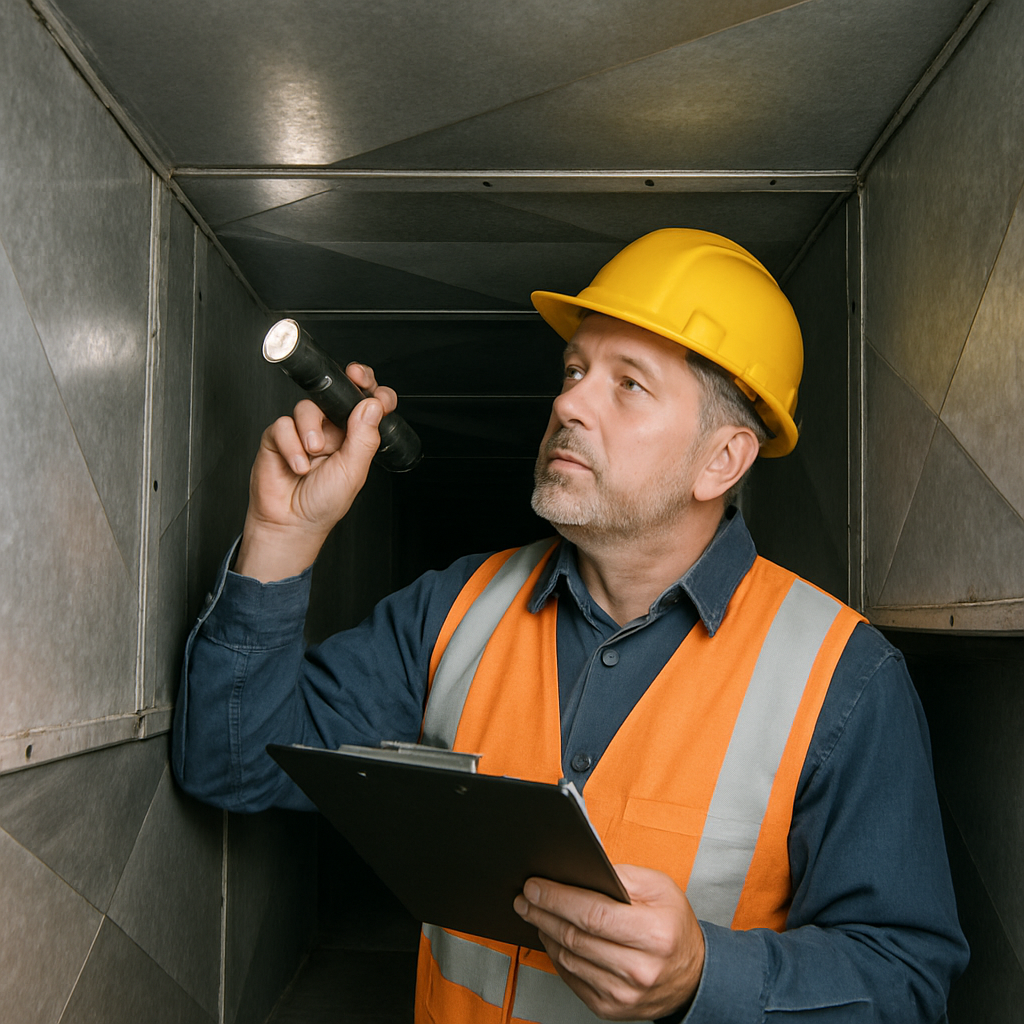
Cleaning your ducts every 3-5 years, or more frequently if you have pets or allergies, can improve your system’s efficiency and extend its lifespan. Professional duct cleaning services can ensure a thorough job, removing all contaminants and ensuring your system operates at peak efficiency. This service can also identify any leaks or issues in the ductwork that need immediate attention.
Your thermostat controls your HVAC system’s operation. Ensure it’s set to the correct temperature and program it according to your schedule to avoid unnecessary usage. A programmable thermostat can help optimize energy use and reduce wear and tear on your system. By adjusting the settings to suit your lifestyle, you can avoid running the system when it’s not needed, saving energy and reducing operational stress.
Upgrading to a smart thermostat can further enhance efficiency. These devices learn your habits and preferences, automatically adjusting settings to maximize comfort and efficiency. They can also provide insights into your energy usage patterns, helping you make informed decisions to further extend your HVAC system’s lifespan.
Preventive maintenance is key to extending the life of your HVAC system. By taking proactive steps, you can prevent potential problems and keep your system running smoothly. This approach not only saves money but also ensures that your system is always ready to provide the comfort you expect.
Professional HVAC technicians can perform comprehensive tune-ups to ensure your system is in peak condition. It’s recommended to schedule a tune-up at least once a year, preferably before the heating or cooling season begins. Regular tune-ups ensure that your system is ready to handle the demands of the upcoming season without any hiccups.
During a tune-up, technicians will inspect and clean components, check refrigerant levels, lubricate moving parts, and ensure everything is functioning correctly. Regular tune-ups can catch issues early, preventing costly repairs and prolonging your system’s lifespan. This preventive approach is much more cost-effective than addressing problems after they have caused damage.
Outdoor units, such as air conditioners and heat pumps, are exposed to the elements and can accumulate dirt, leaves, and debris. Regularly clean the area around the unit to ensure proper airflow and prevent blockages. Blocked airflow can cause the system to overheat, leading to increased wear and potential damage.
Trim back vegetation and remove any debris that may obstruct the airflow. Cleaning the outdoor unit’s coils can also help maintain efficiency and extend the system’s lifespan. By keeping these components clean, you not only improve performance but also increase energy efficiency, which can lead to significant cost savings over time.
Ignoring minor HVAC issues can lead to bigger problems down the road. If you notice unusual noises, reduced airflow, or inconsistent temperatures, address these issues promptly. Delaying repairs can result in more extensive damage and higher repair costs, and in some cases, may even require a complete system replacement.
Be aware of common warning signs that indicate your HVAC system may need attention. These can include strange noises, odd smells, uneven heating or cooling, or higher-than-usual energy bills. Addressing these issues early can prevent further damage and extend your system’s lifespan. By staying vigilant and responsive to these signs, you can ensure your system continues to function effectively.
Regularly monitor your system’s performance and take note of any changes. Keeping a log of issues can help your HVAC technician diagnose problems more efficiently, ensuring faster and more accurate repairs. Early intervention is often the key to preventing minor issues from developing into major headaches.
When repairs are needed, it’s best to consult a professional HVAC technician. Attempting DIY repairs without the necessary expertise can lead to more significant issues and may void warranties. A qualified technician can accurately diagnose and fix problems, ensuring your system continues to run efficiently. They have the tools and knowledge to address complex issues that may not be apparent to the untrained eye.
Working with a trusted professional can also give you peace of mind, knowing that your HVAC system is in good hands. Regular consultations with HVAC professionals can provide insights into your system’s health and help you plan for future maintenance and upgrades. Building a relationship with a reliable technician can be invaluable for the long-term care of your HVAC system.
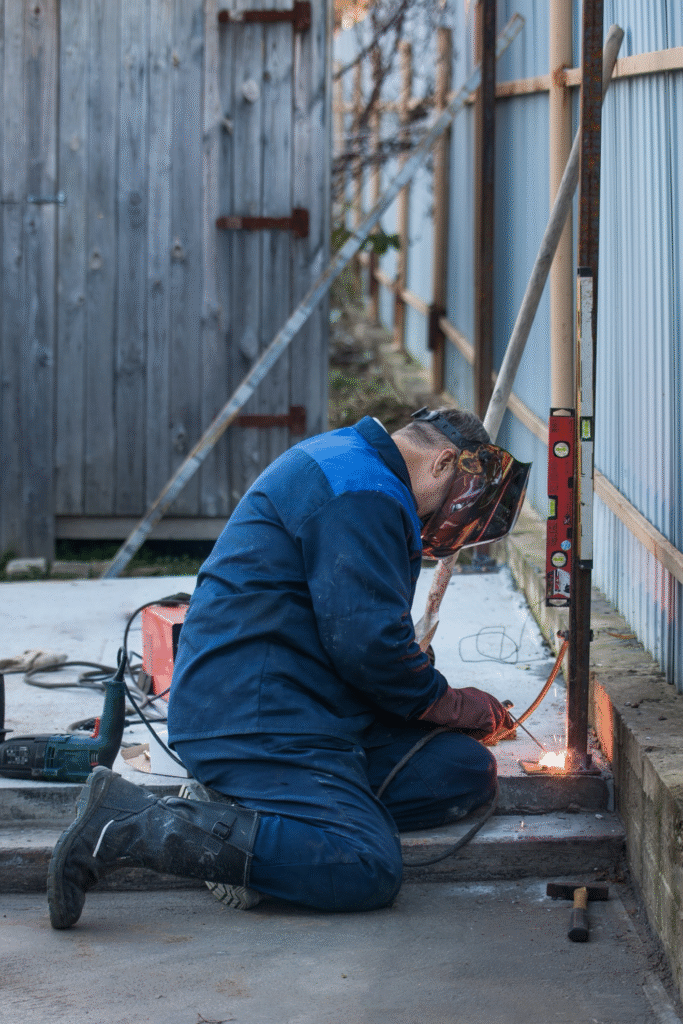
Improving your home’s overall energy efficiency can reduce the strain on your HVAC system and prolong its lifespan. By creating an environment that supports your HVAC system, you can enhance its performance and longevity.
Check for drafts around windows, doors, and other openings. Sealing leaks and improving insulation can help maintain a consistent indoor temperature and reduce the workload on your HVAC system. Proper insulation prevents heat loss in the winter and keeps cool air inside during the summer, optimizing your system’s performance.
Consider investing in energy-efficient windows and doors, as they can significantly reduce energy loss. Additionally, assess your attic and basement insulation, as these areas are often the source of significant heat exchange. By addressing these issues, you not only extend your HVAC system’s lifespan but also enjoy a more comfortable and cost-effective home environment.
Energy-efficient appliances not only save you money on energy bills but also reduce the demand on your HVAC system. Consider upgrading to energy-efficient models when replacing appliances. These appliances use less energy, reducing the overall load on your HVAC system and helping it operate more efficiently.
Look for ENERGY STAR-rated appliances, which meet strict efficiency criteria set by the Environmental Protection Agency. By integrating energy-efficient appliances into your home, you contribute to a more sustainable lifestyle while ensuring your HVAC system can perform optimally without unnecessary strain.
Extending the lifespan of your HVAC system is achievable with regular maintenance, timely repairs, and preventive measures. By following these tips and consulting with HVAC professionals when needed, you can ensure your system continues to operate efficiently for years to come. The effort you invest in maintaining your HVAC system will not only save you money on repairs and replacements but also provide a comfortable home environment throughout the year.
Investing time and effort into maintaining your HVAC system will pay off in the long run. A well-maintained system not only enhances your comfort but also contributes to energy savings and environmental sustainability. Remember, a well-maintained HVAC system is a happy HVAC system, and with the right care, it will serve you reliably for many years.
Jason Phil John Doe is a certified HVAC technician with over 10 years of experience in the heating and cooling industry. He specializes in energy-efficient heating solutions and has helped countless homeowners understand the importance of proper heating systems.