
Intrinsicly evisculate emerging cutting edge scenarios redefine future-proof e-markets demand line
Gallery Posts


Intrinsicly evisculate emerging cutting edge scenarios redefine future-proof e-markets demand line

Introduction
A thunderous whump in the basement wakes you from bed. The house suddenly feels colder. You know instantly when your heat has left you. It is a nightmare scenario for any homeowner, but it can cost a lot if you need to call an emergency plumber. But also, what if I told you the costliest furnace problems don’t typically start with a big blast? They start with a whisper.
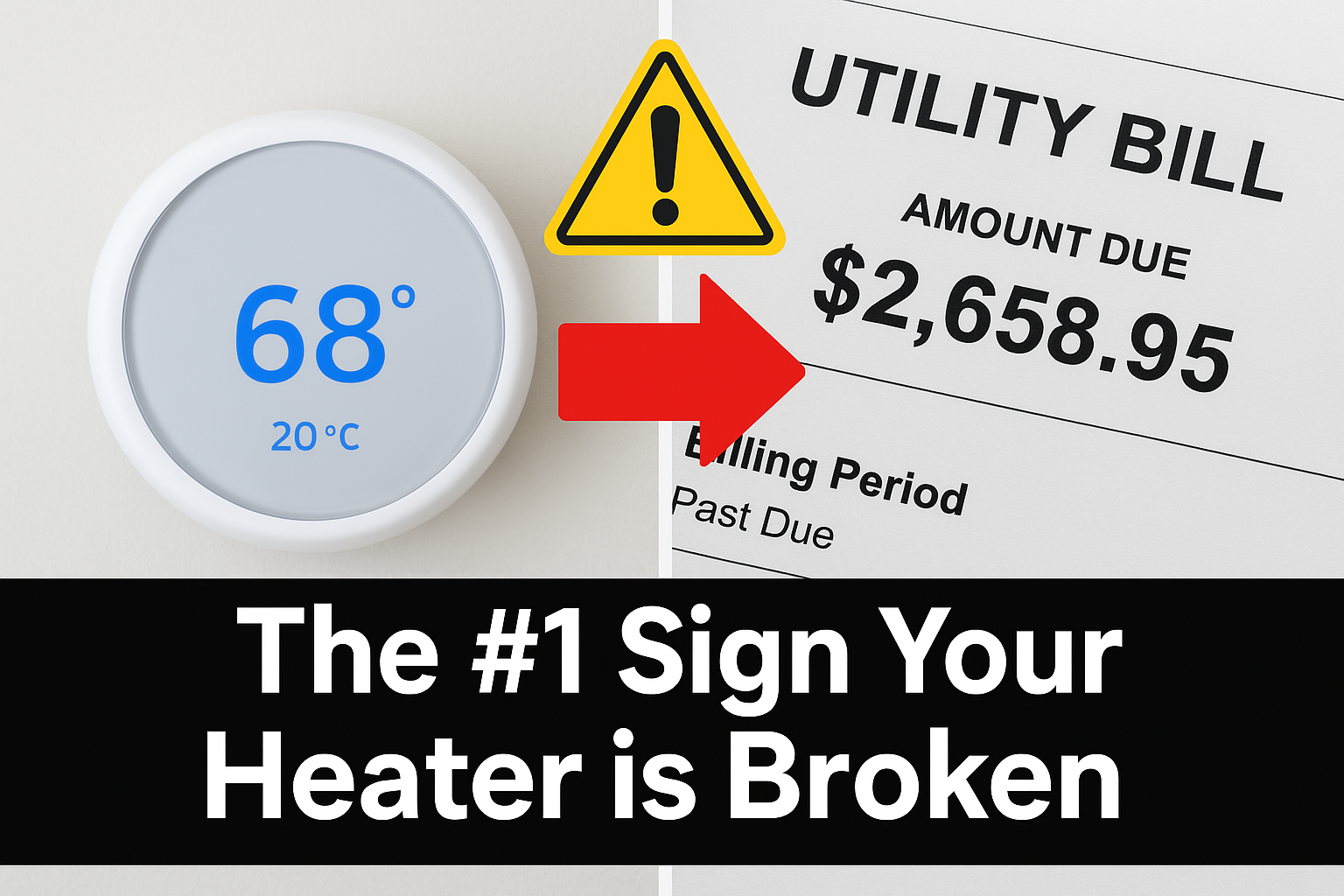
Most articles list the obvious signs: strange noises, weird smells, or no heat at all. That’s reactive advice. I’m going to show you how to be proactive. Your furnace has been sending you warnings for months, not through sounds, but through numbers on your utility bill. Learning to read these financial signals is the single best way to avoid a catastrophic failure. By the end of this guide, you will know how to spot a problem long before you need an emergency heating system repair.
Why Your Spiking Energy Bill Is a Red Flag
Let’s be direct. If your heating bills are rising as you lower the temperature setting on your thermostat, that’s because your system is crying uncle. The furnace is a machine. Its components wear down, gunk up and don’t operate as efficiently over time. It should. work harder and drink more fuel to put out the same heat. This gradual deterioration is the least noticed indicator of trouble ahead.
Think of it like this. A dirty filter or a dying blower motor makes the system battle with itself. This strain doesn’t just waste energy. It causes cascading damage to other critical parts. An unexplained bill increase of 10% to 15% compared to the same month last year is a critical threshold. It’s a clear sign that you are paying a premium for failing equipment. Tracking your usage is simple with your utility provider’s online portal. Ignoring this sign is like ignoring a check engine light. The problem will only get more expensive.
Understanding Your Furnace’s Secret Language
Your energy bill is the main clue we’re looking for, but strange noises are more dramatic and easier to notice. Specific, pressing problems are attached to different sounds. Understanding what they mean can inform you of whether you’re dealing with a minor annoyance or a potentially life-threatening issue. You may find that you do need to bring in heating repair right away.
Banging or Popping
It’s no fun hearing a loud bang when the furnace kicks on, and you know we’re not making light of the situation since it is an alarming noise for very good reasons. This usually signals delayed ignition. The flames are not coming on how they should, so gas is accumulating inside the combustion chamber. When it finally catches, there’s a little explosion. This is a serious situation and one that can develop a hole in your heat exchanger, you should call for professional service immediately.
Squealing or Whining
Screech is what you hear when metal rubs against metal. Usually this is the result of a malfunctioning blower motor, which may have either reached the end of its life or suffered damage internally (likely due to worn belt, failing motor bearings). It may not seem like much more than noise, but if you allow that slip to worsen over time, the motor will eventually seize. When a motor belt burns out, replacing it is a small repair. Replacing the entire motor assembly is.
The Thermostat Can Also Be the Hero
When the house is cold and the furnace is cycling on and off, thermostat quality is often the first thing we suspect. It’s the thing that we use, after all. But much of the time, the thermostat is just reporting the news. It is not the chimney that is at fault but the furnace.
Recently, I visited a client with a brand-new Google Nest thermostat who said her house was never warm enough. The furnace would run for about five minutes, shut off and then a few minutes later go back on. This is called short cycling. The smart thermostat was not the problem. A service technician discovered that the flame sensor on the furnace was dirty. There was a flame detection failure and the system turned off gas for safety. A nice and easy clean and the homeowner nearly went out to spend a hundred dollars on another new thermostat.
What to Look for Before You Place the Call
No one wants to pay for a service call only to have a tech flip a switch. Before you call for heating system repair, there are three easy checks you can perform yourself in five minutes or less. That’s time and money, plus a little bit of embarrassment, you can save.
First, check the air filter. The no.1 reasons a furnace will stop working is that it is a severely clogged filter. It suffocates your equipment. It overheats and shuts down. Take it out and hold it up to a light. If you can’t see any light through it, it’s time to replace it. Find your educational panel. It is often called the breaker. HVAC breakers can travel, too. Often, that’s an easy fix. Call for service if it fuses again. Do you have an older furnace? See if the pilot light is still light. If it’s out, you can turn it on yourself if there are manufacturer’s instructions printed on the unit. See if the pilot light will stay on. If not, the thermocouple might be done for.
Your Next Smart Step
Knowing when it’s time to repair or replace Heat and hot water by the numbers Waiting until a complete breakdown happens is your single most expensive path for maintaining the heating system. It’s the loud noises and cold rooms, it feels like that is the last, desperate cries for help. The true red flags are the ones that are harder to notice this month’s increase in your utility bill, today’s slight adjustment of the system cycle time, and those rooms that aren’t quite as warm or cool as they once were.
Moreover, preventive action is always cheaper than remedial action. Your next step is simple. Go online and find your bill from last month. Now compare it with the same month one year ago. If you see a big, unexplained jump, think ‘bang in night,’ without waiting for it. Schedule a professional tune-up. It’s the best thing you can possibly do to improve your home’s comfort and your sanity regarding running it.
What’s one flicker in the activity of your heating system that you might have been inclined to ignore or not even noticed?